
FOIA vs. Privacy Laws: Where Access Stops and Rights Begin
Feb. 1, 2026
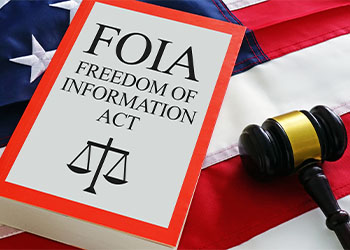 Access to information can feel empowering, until it suddenly feels invasive. If you’ve ever wondered why some records are released while others are withheld, you’re not alone.
These questions can arise during moments of uncertainty, when personal information feels too close to public exposure. Knowing where access stops and individual rights begin can bring real peace of mind.
That’s where my law firm, Michael Kuzma Attorney at Law, comes in. Based in Buffalo, New York, I help people understand how public access laws and privacy protections affect their real lives and the consequences of that access.
Let me explain where access to information stops and personal rights begin when considering FOIA (Freedom of Information Act) versus established privacy laws. If you’re dealing with a denied records request or worried about your private information being disclosed, help is available. Reach out to my firm today to discuss your situation and develop an action plan.
Freedom of Information Laws and the Promise of Transparency
Freedom of Information laws, often called FOIA at the federal level, are built on a simple idea: the public has a right to know what its government is doing. These laws allow you to request records from government agencies, shedding light on decisions, spending, and policies that affect everyday life.
FOIA has its limits. Agencies aren’t required to disclose everything they possess, which is where privacy laws come into play. Requests may be denied or only partially fulfilled if releasing the information would compromise personal privacy, public safety, or other protected interests. For those seeking records, this balance can often feel frustrating.
I often help clients understand why a request may have been refused and whether that refusal is legally sound. In many cases, the initial denial is vague or overly broad, leaving you unsure of the options still available. With guidance from an experienced FOIA lawyer, you can learn whether an appeal makes sense or if another approach might be more effective.
How Privacy Laws Limit Public Access
Privacy laws exist to protect individuals from having their personal information disclosed without good reason. When agencies review a request, they weigh the public’s interest in disclosure against the individual’s right to privacy. This is where many disputes arise. Records may contain information that privacy laws shield from release. This information may include:
Social Security numbers, birth dates, and home addresses
Medical and mental health records
Educational records involving students
Employment files that include evaluations or disciplinary notes
Financial account numbers and tax information
These categories show how privacy laws operate as guardrails rather than roadblocks. After reviewing these protections, many people realize that a partial disclosure, where sensitive details are redacted, can still serve the public interest. Once this step is clear, it becomes easier to decide whether to challenge a denial or accept a limited release.
When Your Right to Privacy Comes First
There are times when privacy laws outweigh the public’s right to access, and that’s especially true when disclosure would cause personal harm. If you’re the subject of a records request, you may worry about how much of your life could become public. Feeling uncertain about what might be shared can be stressful and overwhelming.
Privacy laws protect you in these situations. They can prevent the release of records that would expose deeply personal matters or put someone at risk. This protection isn’t automatic, though. Having an experienced FOIA lawyer review the situation can help confirm that your privacy is being properly safeguarded.
I often work with clients who believe their privacy rights weren’t fully respected. In these cases, reviewing how the agency applied privacy laws can make all the difference. Sometimes, a firm but carefully worded objection can prevent an improper disclosure before it occurs. Acting quickly and thoughtfully can protect you from unnecessary exposure and give you peace of mind.
Knowing when your privacy comes first helps you feel more in control. It also shows how privacy laws serve as a counterbalance to transparency, not an obstacle to fairness. Working with an experienced FOIA lawyer is essential in these situations. Reach out to my firm, Michael Kuzma Attorney at Law, today to discuss your concerns.
FOIA Requests That Involve Third Parties
FOIA requests don’t just affect the requester or the agency; they often involve third parties whose information appears in the records. This is one of the trickiest areas where access and privacy collide. Balancing the public’s right to know with an individual’s right to privacy can raise challenging legal and ethical questions.
An agency typically will not notify third parties when it receives FOIA request for records that contain their information. The determination on whether to release the sought-after information depends on how clearly the law applies and whether the public interest truly outweighs any privacy concern. Factors agencies weigh when third-party privacy is involved:
Whether the person is a public official or a private citizen
How sensitive the information is
The purpose of the request
The potential harm from disclosure
The benefit to public awareness
Understanding these factors helps the process feel more structured and less random. Many clients come to see how much timing and wording can impact the outcome. Addressing these details early can help determine whether records are released, redacted, or withheld in full.
A Compassionate Path Forward With Privacy Laws in Mind
Concerns about access to records and personal privacy often come with anxiety, frustration, or even fear. Whether you’re questioning a denied FOIA request or worried about your private information being released, you don’t have to face it alone.
At Michael Kuzma Attorney at Law, I work with clients to find a fair path forward. With thoughtful guidance rooted in privacy laws and practical experience, you can make informed decisions about next steps. Contact my firm today to discuss the best way to proceed.